EN
EN


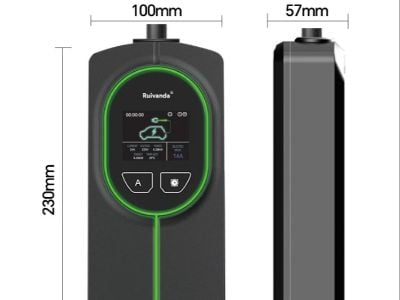
When you think about charging electric vehicles (EVs), you might come across two main types of chargers: Level 1 and Level 2. Both have their own strengths and weaknesses. Choosing the right one for your home can make a big difference in how convenient and fast your vehicle gets charged. So, what do you need to know? Let's dive into the details.
Where to Find the Best Wholesale Deals on Level 1 and Level 2 EV Chargers?
If you are looking to buy an EV charger, knowing where to shop is important. One great place to look is online. Websites like Ruivanda have many options for both Level 1 and Level 2 portable ev charger at competitive prices. When you shop online, you can compare prices easily. Look for sales or special offers that can save you money. Sometimes, buying in bulk can give you a better deal too. If you have friends or family who also need chargers, consider pooling your orders together. Local stores might also carry these chargers, but prices can be higher. Don’t forget to check out local electrical supply stores. They might have special deals and can give you advice too. Always read reviews from other customers before buying. This helps you understand if the charger is good quality. If you are unsure, asking for recommendations from people who own electric vehicles can also help. Don’t rush into a purchase. Take your time to find the best deal that fits your needs and budget.
What Are the Common Usage Issues with Level 1 and Level 2 EV Chargers?
While Level 1 and Level 2 chargers are both useful, they can come with some issues. Level 1 chargers are simple to use; you just plug them into a regular outlet. However, they charge slowly. This means if you drive a lot, you might find yourself waiting a long time for your car to be ready. It's best for people who don’t drive much during the day. On the other hand, type 2 ev charger are faster. They can fill up your car’s battery in a shorter time. But, they need a special outlet, which might require extra installation work and cost. This can be a hassle for some homeowners. Another issue is that not all homes are set up for these types of chargers. If your home doesn't have a good electrical system, you may need to upgrade it, which can be expensive. Sometimes, people also worry about safety. Using any electrical appliance incorrectly can lead to problems. So, it is important to follow the guidelines when using these chargers. Many people forget to check their chargers regularly, which can lead to malfunctions or unexpected breakdowns. It's good practice to keep your chargers clean and check for any signs of wear and tear. By being aware of these issues, you can make a better choice on which charger is right for your home. Remember, both chargers have their pros and cons, and knowing what to expect will help you enjoy your EV experience more.
When thinking about upgrading from a Level 1 to a Level 2 electric vehicle (EV) charger, there are a few important things to consider. First, it’s good to understand how often you use your electric vehicle. If you drive a lot or use your car every day, a Level 2 charger can help you charge your car faster. Level 1 chargers take a long time to charge your car, sometimes overnight, while Level 2 chargers can do it in just a few hours. You should also think about where you’ll put the charger. A Level 2 charger needs a special spot that can handle more power. This might mean having an electrician come to your home to set it up. Ruivanda can help you with this process to ensure your charger is installed correctly.
Another thing to think about is your home’s electrical system. Level 2 chargers need a 240-volt outlet, which is stronger than the 120-volt outlet used by Level 1 chargers. If you don’t already have one, you might need to upgrade your electrical panel, which can cost extra. It’s also important to consider your budget. While Level 2 chargers can be more expensive initially, they can save you money in the long run by charging your car more quickly, so you can take more trips without worrying about charging time.
Finally, think about how often you will be charging your car. If you only use your car a few times a week, a Level 1 charger might still work for you. But if you’re always on the go, upgrading to a Level 2 charger could be worth it. Ruivanda is here to help you decide which option fits your needs best.
Installing a Level 2 EV charger in your home has many benefits. First, the biggest advantage is speed. Level 2 chargers can charge your electric vehicle much faster than Level 1 chargers. With a Level 2 charger, you can typically get a full charge in just a few hours. This means that if you come home from work or running errands, you can plug in your car and have it ready to go in no time. This is especially helpful for families or people who use their cars a lot.
Another benefit is convenience. With a Level 2 charger, you don’t have to worry about finding a public charging station. You can charge your car right at home. This can save you time and make it easier to plan your day. Also, having a charger at home can increase the value of your property. If you ever decide to sell your home, having a ev charger type 2 can be a plus for potential buyers.
Ruivanda also offers great support when you install a Level 2 charger.
They can help you choose the right model and ensure it’s installed safely. This means you can enjoy all the benefits of having a Level 2 charger without the stress of figuring it out alone. Plus, many energy companies offer rebates for installing home chargers, which can make it more affordable. So not only do you get a faster and more convenient way to charge your car, but you might also save money in other ways.
When comparing Level 1 and Level 2 chargers, cost and installation are two big factors to think about. Level 1 chargers are usually cheaper because they come with the car, and you can plug them into a regular outlet. This makes them a good choice if you are on a tight budget or don’t drive your electric vehicle very often. However, they can take a long time to charge your car, which can be a problem if you need to use your car often or for long trips.
On the other hand, Level 2 chargers are more expensive to buy and install. The cost for a Level 2 charger can vary based on the model, but you should also think about the cost of having an electrician come to your home. Ruivanda can help you find the right charger and guide you through the installation process. Remember, while the upfront cost is higher for a Level 2 charger, it can save you money in the long run because it charges faster.
Conclusion
Overall, when deciding between Level 1 and Level 2 chargers, think about your driving habits, how much you want to spend, and how quickly you want to charge your car. Ruivanda is here to support you every step of the way, helping you make the best choice for your home and needs.