EN
EN


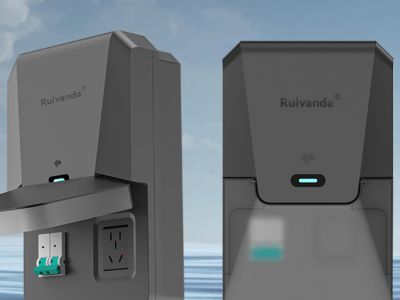
Electric vehicles (EVs) are becoming more popular. As more people choose to drive EVs, the need for charging stations and chargers is growing. Ruivanda is here to help you understand the different types of chargers you might use for your electric car. This guide will explain three main kinds of chargers: Wallbox, Portable Chargers, and DC Fast Chargers. Knowing these options can help you decide which one is best for your needs. Let’s dive in
What You Need to Know About Wallbox, Portable, and DC Fast Chargers
An EV Wallbox is a type of charger that you mount on a wall at home or at a public charging station. It’s a great option for those who want a reliable, fast way to charge their EV overnight while they sleep. Wallboxes usually charge the battery of your car more quickly than regular outlets. For example, if you have a Wallbox at home, you can often fully charge your car while you’re sleeping. This is super convenient for daily use. Portable chargers, on the other hand, are like the chargers we use for our phones but are designed for electric cars. You can carry them in your trunk. This is a good choice for people who might need to charge their EV away from home, like during a long road trip. You can plug them into a standard outlet, but they usually charge more slowly than Wallboxes. It’s important to keep in mind that using a portable charger can take longer, so you need to plan your stops accordingly. DC Fast Chargers are the quickest option available. These chargers can charge your car’s battery very fast, often in less than an hour. They are usually found at gas stations or special charging stations along highways. They are perfect for long journeys when you need a quick boost. However, they are more expensive to install and use, which is why you won’t find them in every home. Each type of charger has its own benefits, so it’s important to think about your driving habits and where you will be charging your car
How to Overcome Common Usage Issues with EV Chargers
When using DC EV Chargers, some people face problems. One common issue is finding a charger when you need one. Sometimes, chargers can be busy or broken. To avoid this, it is wise to plan your route ahead of time and use apps that show where chargers are located. These apps can tell you if a charger is available and how long it will take to charge. Another problem can be charging speed. If you’re using a portable charger, it can take a long time to fill up your car’s battery. Therefore, knowing the type of charger you are using and how long it takes to charge can help you plan your trips better. Lastly, always check the charger’s compatibility with your car. Not all chargers work with every EV. This can lead to frustration if you arrive at a charger only to find out it doesn’t fit your car. Reading your car’s manual and understanding the type of charging plug you need will save you time and hassle. Understanding the different chargers and knowing how to handle common problems can make owning an electric vehicle easier. Ruivanda is dedicated to helping you find the best charging solutions for your needs
What Is the Difference Between Portable Chargers and DC Fast Chargers
When it comes to charging electric charger vehicles (EVs), there are different types of chargers you can use. Two of the most common types are portable chargers and DC Fast Chargers. Understanding the difference between them is important for EV owners. A portable charger is like a small box that you can take with you wherever you go. It usually plugs into a regular wall outlet. This makes it super handy for charging your car at home or when you are visiting a friend. Since it uses a standard outlet, it might take several hours to fully charge an EV, depending on how empty the battery is. On the other hand, a DC Fast Charger is much more powerful. It can charge your EV battery really quickly, often in less than an hour. These chargers are usually found along highways or in busy areas, making them great for road trips. However, they are not portable. You can’t take a DC Fast Charger with you; you have to go to a specific location to use it. The main difference is speed and convenience. If you need to charge your car at home or in a safe place, a portable charger is a great choice. But if you are in a hurry and need a quick charge while on the road, a DC Fast Charger is the way to go. Ruivanda offers both types of chargers, so you can choose what fits your lifestyle best
Where to Install EV Chargers for Optimal Accessibility and Convenience
When you decide to install an EV charger, choosing the right spot is very important. You want to make sure it is easy to access and use. The best place to install an EV charger is usually in your garage or driveway. This way, you can charge your car overnight while you sleep. It’s also safe because your charger will be protected from bad weather. Make sure there is enough space around the charger for you to park your car easily. If you don’t have a garage, you can install it in your driveway, but make sure it is close to the entrance. Another good option is to put the charger near the front of your house. This makes it easy for guests to charge their cars, too, if they visit. If you live in an apartment or a place with shared parking, talk to your building manager. They might allow you to install a charger in a common area. Ruivanda can help you find the best spot for your charger, whether you have a house or an apartment. Remember, the easier it is to access your charger, the more likely you’ll use it regularly. Troubleshooting Tips for Buyers. Sometimes, things don’t work as planned, and that can be frustrating, especially when charging your EV. If you buy a charger from Ruivanda and it doesn’t seem to work right, don’t worry! There are some simple troubleshooting tips you can follow. First, check the power source. Make sure the outlet you are using works. You can do this by plugging in another device, like a lamp or phone charger. If that works, then the outlet is fine. Next, look at the charger itself. Make sure all the cables are connected tightly, and there is no visible damage. Sometimes, a loose connection can stop the charger from working. If the charger has lights, see if any lights are blinking or showing a warning signal. Refer to the charger’s manual for what the lights mean. If everything looks okay but the charger still won’t work, try unplugging it for a few minutes and then plugging it back in. This can reset the charger and fix minor issues. If you still have trouble after trying these steps, don’t hesitate to contact Ruivanda’s customer support. They are there to help you get back on the road quickly. Remember, troubleshooting can be simple, and most issues can be fixed easily.