EN
EN


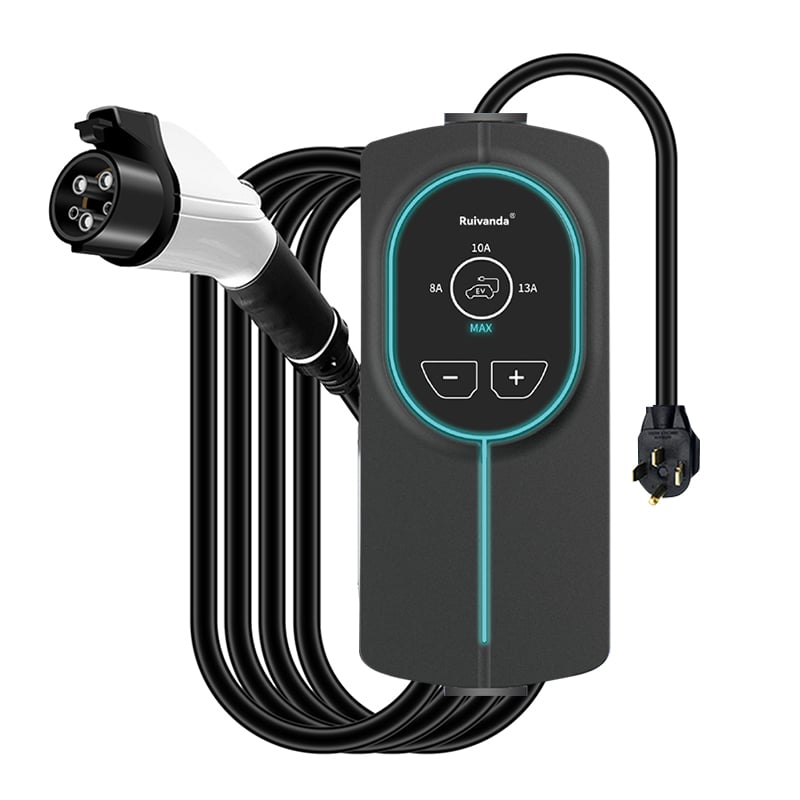
As AC charging technology evolves, 22 kW charging capacity has become a desired attribute to electric vehicle (EV) drivers, which gives them a quicker recharging cycle, as compared to those that are standard level 2. A number of EV models now accommodate this increase rate, since they can take advantage of onboard AC-DC converters that handle three-phase inputs.
Models with 22 kW Compatibility
Most contemporary EVs, especially those developed by European, as well as multinational, companies, are designed to accept 22 kW AC charge. The cars are fitted with onboard chargers (22 kW) so they can make use of three-phase power sources, typical of commercial and industrial installations, some residential installations with upgraded infrastructure. Examples are a range of mid-size and full-size electric sedans, SUVs and even smaller versions, all modeled to create a balance between performance and efficient recharging. Their OBCs function by changing the three phase AC input to the DC power to supply the battery and make sure that the accessibility of the elevated power is safely and effectively harnessed.
Enabling Factors for 22 kW Support
One of the reasons that allows 22 kW AC charging is the in-car converter system. Such converters are developed with more sophisticated power electronics, which have the capacity of the higher current load of the three-phase supplies, which is converted to the correct Voltage required by the battery. Also, the battery management system (BMS) in the vehicle is involved, which controls the charger and maintains a balance between the charging speed and load. Such integration allows charging the battery even under 22 kW but within the safe limits in order to preserve battery performance and sustainability.
Practical Benefits for Users
Supporting 22 kW AC charging though has a number of benefits that can be enjoyed by users fortunate enough to have access to three phase power. The charging times can be shortened by about an hour each added of range every hour compared to 11 kW models. This is especially advantageous to commercial fleets in which rapid turnarounds between loads is a necessary feature or in a household concern where there is more than one EVs sharing one particular charger. In residential locations with three-phase electric power, the vehicles are capable of charging at much faster rates, enabling all-night charging to be completed with a full battery powered vehicle on a daily basis.
Considerations for Adoption
Although faster charging is available with 22 kW-compatible EVs, this is only possible where three phase charging exists. In an area where three-phase power is typical of a residential dwelling, they are extremely useful. Even in regions with mostly single-phase distribution, they can still get a lower charging speed (e.g. 7.2 kW or 11 kW) on Level 2 stations and therefore have versatility. Prospective owners will also need to weigh their local charging capabilities and needs vs. day-to-day range requirements to determine whether 22 kW support is a useful feature they will need.
To conclude, more and more EV models become 22 kW AC capable with the assistance of a cutting-edge onboard charger and battery management system. The vehicles also charge faster when users have access to three-phase power which further adds convenience to personal and commercial users.