EN
EN


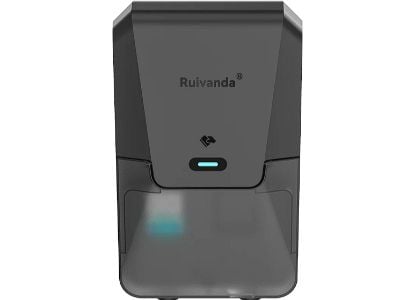
Electric vehicles (EVs) are becoming more popular every day. Many people want to charge their EVs at home or work, and this is where a good EV wallbox comes in. A wallbox is like a special charger that hangs on the wall. It helps to fill up the battery of an electric car. When choosing a wallbox, it is important to look at different qualities. A quality wallbox should be safe, fast, easy to use, and able to work for both homes and businesses. Ruivanda makes great EV wallboxes that fit these needs. Let's dive deeper into how to pick the right one and what common problems you might face.
How to Choose the Best EV Wallbox for Your Residential Needs
When looking for the right EV wallbox for your home, you should think about a few things. First, check the power level. A wallbox can have different power outputs, usually measured in kilowatts (kW). If you charge your car at night, a wallbox with higher power can fill your battery faster. For example, a 7 kW wallbox might charge your car in about 4-6 hours, while a 22 kW wallbox could do it in just a couple of hours. Think about how often you drive and pick a wallbox that matches your needs.
Next, consider the installation process. Some wallboxes need professional help to install. Make sure you have a good electrician who can help set it up safely. You also need to check if your home has enough electrical capacity for the wallbox you want. If not, you might have to upgrade your electrical system. Don’t forget to look at the size and design of the wallbox, too. You want something that fits well in your garage or parking space and looks nice.
Another thing to think about is how user-friendly the wallbox is. Some wallboxes come with smart features, like a mobile app, that lets you check the charging status from your phone. EV Wallbox can be super helpful if you are busy or away from home. Ruivanda wallboxes often have these features, making them easy to use. Lastly, check if the wallbox is compatible with your car. Most modern EVs can charge with most wallboxes, but it’s always good to double-check.
What Are the Common Usage Issues with EV Wallboxes?
Using an EV wallbox can be simple, but sometimes issues happen. One common problem is that the wallbox might not communicate well with the car. This can happen if the wallbox and the car use different charging standards. Always make sure that the wallbox you pick works with your electric vehicle.
Another issue is power outages. If the electricity goes out, your wallbox can't charge your car. Connector Types can be frustrating, especially if you need to drive somewhere soon. One way to fix this is to have a backup power solution, like a battery storage system, that can keep your wallbox running even during outages.
Sometimes, people also face problems with the wallbox itself. For instance, it may not charge as fast as expected. This could be due to a few reasons, like the wallbox being too far from the electrical panel or needing an upgrade. Regular maintenance is important to ensure your wallbox works well.
Lastly, there might be safety concerns. If the wallbox is not installed correctly, it could cause issues like overheating or tripping circuit breakers. It’s crucial to follow all safety guidelines and have a professional install it. If you notice anything unusual, like strange noises or lights, it’s best to turn it off and contact a professional right away.
In summary, choosing the right EV wallbox involves thinking about power levels, installation, user-friendliness, and safety. While using a wallbox, be aware of common issues like compatibility and maintenance. With a quality product like a Ruivanda wallbox, you can enjoy charging your electric vehicle at home or work without much trouble.
How to Maximize the Efficiency of Your EV Charging Solutions
When you have an electric vehicle (EV), charging it properly is very important. To make sure your EV charges quickly and efficiently, you should choose a good wallbox. A wallbox is a device that connects to your home’s electricity and helps charge your car. One way to maximize the efficiency of your charging is to use a wallbox from Ruivanda. These wallboxes are designed to charge your car faster than regular chargers. Software can adjust the power they use based on how much your car needs. This means your EV can get the right amount of energy without wasting electricity.
Another tip is to charge your car during off-peak hours. Off-peak hours are times when electricity is cheaper, usually at night. If you set your Ruivanda wallbox to charge your car during these times, you can save money on your electric bill. Some wallboxes can even be programmed to start charging at a specific time, which makes it super easy!
It’s also a good idea to keep your wallbox clean and well-maintained. Dust and dirt can make the charging process slower. Regularly checking your wallbox and keeping it in good shape can help it work better for a longer time. Lastly, make sure your home’s electrical system can handle the wallbox. If your home has older wiring, it might need an upgrade. By taking these steps, you can ensure that your EV charging solution is as efficient as possible, saving you time and money in the long run.
What Are the Top Benefits of Installing an EV Wallbox?
Installing an EV wallbox at your home or business comes with many great benefits. First, having a wallbox means you can charge your electric vehicle right at home or work. This is super convenient because you don’t have to go to a public charging station. You can just plug in your EV when you get home, and it will be ready to go whenever you need it! For businesses, having a wallbox can attract more customers who drive electric cars, making it a smart investment.
Another benefit is that charging at home is usually cheaper than charging at public stations. When you use a Ruivanda wallbox, you can take advantage of lower electricity rates during off-peak hours. This means you can save money on your charging costs. Additionally, having a wallbox can increase the value of your property. More people are looking for homes with EV charging options, so it can make your house more appealing to buyers in the future.
Safety is also a big advantage of using a wallbox. Public charging stations can sometimes be located in busy or unsafe areas. By charging at home or work with a Ruivanda wallbox, you can avoid those risks. Plus, these wallboxes come with safety features to protect your vehicle and your home from electrical issues. Overall, the benefits of installing an EV wallbox are clear. It provides convenience, saves money, increases property value, and offers a safer charging option.
How to Select a Durable EV Wallbox for Extreme Weather Conditions
When you’re looking for an EV wallbox, it’s important to choose one that can handle all kinds of weather. If you live in a place with extreme heat, cold, or even heavy rain, you need a wallbox that is built to last. Ruivanda wallboxes are designed to be tough and durable, making them a good choice for any environment.
First, check the wallbox's weatherproof rating. A high rating means it can resist rain and snow without getting damaged. Look for wallboxes made with strong materials that can withstand harsh conditions. For example, a wallbox with a sturdy casing will protect its inner parts from water and dirt. This is really important because if the wallbox gets wet, it might not work properly or could even be dangerous.
Another thing to consider is temperature tolerance. Some wallboxes can work well in both very hot and very cold temperatures. If you live in an area with big temperature changes, make sure to choose a wallbox that can handle it. Ruivanda wallboxes are tested to work in a wide range of temperatures, so you can trust they’ll keep charging your EV no matter the weather.
Finally, think about installation. A properly installed wallbox can be more resistant to the elements. Make sure it’s placed in a spot that won’t have too much exposure to wind or heavy rain. By selecting a durable wallbox that can handle extreme weather, you can ensure that you’ll always have a reliable charging solution for your electric vehicle, no matter the conditions outside.