EN
EN


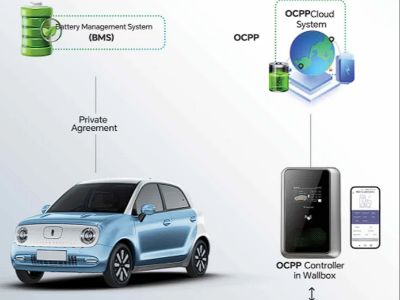
Large charging stations for electric vehicles are becoming more common. Many people are using electric cars, and that means more charging stations are needed. But running these stations can consume a lot of energy, which can be expensive. That's where energy-saving tips come in. If charging stations use less energy, they can save money and help the planet too. Ruivanda cares about energy savings and wants to share some tips to help charging stations become more efficient. Let’s dive into some practical advice for wholesale buyers and where to find the best technologies to save energy.
What Wholesale Buyers Need to Know About Charging Station Energy Savings
Wholesale buyers should pay attention to energy savings when they purchase charging stations. First, it's important to look for stations that have energy- efficient designs. Some stations come with smart technology that helps manage power use better. For example, they can adjust the amount of energy used based on how many cars are connected at a time. This means that if only one car is charging, the station won't use more energy than necessary. Also, look for charging stations that can use renewable energy sources, like solar power. EV Wallbox can drastically reduce electricity costs and is better for the environment.
Another aspect to consider is the location of the charging stations. Placing them in areas with lots of sunlight can help if they use solar panels. Buyers should also think about the type of chargers they want. Fast chargers might use more energy, but they can get cars charged quicker, which is good for busy locations. Buyers should balance speed and energy usage based on where the station will be set up. Regular maintenance of charging stations is also essential. Keeping everything in good working order ensures that no energy is wasted.
Many buyers might not realize that energy-saving features can actually make a charging station more appealing to users. When people see that a station is efficient and environmentally friendly, they may choose that station over others. This can lead to more customers and, in turn, more profits. Overall, wholesale buyers should think carefully about energy savings when selecting charging stations, as it can benefit both their business and the environment.
Where to Find the Best Energy-Saving Technologies for Charging Stations
Finding the best energy-saving technologies for charging stations can be exciting and beneficial. One great place to start is with manufacturers like Ruivanda, which focus on advanced technologies. These companies often offer charging stations equipped with the latest energy-saving features. Buyers can look for options that include smart management systems, which help optimize energy use. These systems analyze usage patterns and adjust charging speeds accordingly, saving energy when possible.
Another good option is to attend trade shows or industry conferences. These events showcase innovative technologies and give buyers a chance to see new products in action. It's also an excellent opportunity to ask questions and learn about the latest trends in energy efficiency. Online resources can also be helpful. Websites focused on electric vehicles and charging technology often provide reviews and comparisons of different charging stations. Portable EV Charger can help buyers understand which technologies offer the best energy savings.
Buyers should also connect with other charging station operators. Sharing experiences and knowledge can provide valuable insights. Some may have already tested various technologies and can recommend the best options for energy savings. Networking in online forums or social media groups can be beneficial too.
Lastly, consider working with local energy companies. They can sometimes provide incentives for using energy-efficient technologies. These incentives can lower the cost of purchasing and installing new charging stations. By exploring these options, buyers can find effective energy-saving technologies that will make their charging stations efficient and cost-effective.
Common Energy Wastage Issues in Commercial Charging Infrastructure
Charging stations, especially large ones, can waste a lot of energy if we are not careful. One big problem is that many charging stations keep using power even when no cars are charging. This is called "phantom load." Imagine leaving your lights on in an empty room – that’s similar to what happens with charging stations. If they are not properly set up to shut down when not in use, they continue to draw electricity, which costs money and wastes energy.
Another issue is how charging stations are built. Some have old equipment that is not energy-efficient. Older chargers might not work well and take longer to charge cars, which means they use more energy. Newer technology can charge cars faster and with less waste. If a charging station uses outdated gear, it may lose energy and money. Also, not enough stations are using renewable energy sources. Using solar panels or wind energy can help reduce the amount of electricity needed from traditional sources. This not only saves energy but also helps the environment.
Temperature can also be a big factor. If charging stations are in very hot or cold places, they need more energy to keep the equipment running well. For example, if it is really hot, the equipment might overheat, and if it is too cold, it might freeze. Both situations can lead to more energy use. By understanding these issues, charging station owners can find ways to save energy. Connector Types can turn off chargers not in use, update their equipment, and even think about using solar panels. At Ruivanda, we believe that finding and fixing these problems can make charging stations better for everyone.
How Energy Management Systems Can Benefit Your Charging Stations
Energy management systems (EMS) are important tools for charging stations. They help track and control how energy is used. Think of it like a smart helper that watches over the electricity. An EMS can tell when a charger is in use and when it is not. This way, the system can turn off the charger when no one is using it, saving energy. This means less money spent on electricity and a smaller carbon footprint.
These systems can also help charging stations use energy more wisely. For example, an EMS can schedule charging times to take advantage of lower electricity rates during off-peak hours. This means charging stations can save money by using power when it is cheaper. Additionally, EMS can monitor how much energy each charger uses, helping operators understand which ones are the least efficient. This information is valuable because it allows them to make changes or upgrades to save even more energy.
At Ruivanda, we believe that using an energy management system can really boost how well a charging station works. With smart technology, stations can not only be more efficient but also provide better service to customers. When customers see that a station is energy-efficient and eco-friendly, they are more likely to choose that station over others. This can lead to more business and happier customers.
What Are the Top Energy-Saving Practices for Charging Station Operators?
There are many ways for charging station operators to save energy. One of the best practices is to choose energy-efficient chargers. Newer models use less power and can charge cars faster. By upgrading to these new chargers, operators can reduce energy waste and improve service for drivers. Another good practice is to encourage drivers to unplug their cars once they are fully charged. Some drivers leave their cars plugged in for too long, which wastes energy. Operators can put up signs to remind drivers to unplug when they’re done.
Regular maintenance is also important for saving energy. Just like a car needs regular checks, charging stations need to be maintained too. Checking for things like loose wires, faulty equipment, and software updates can help keep everything running smoothly. When equipment is in good shape, it uses energy more efficiently.
At Ruivanda, we suggest that operators consider using renewable energy sources. Installing solar panels can greatly reduce the amount of electricity needed from power plants. This not only cuts costs but also helps the planet. Finally, operators should educate their staff about energy-saving practices. When everyone on the team understands how to save energy, it can make a big difference. By following these energy-saving practices, charging stations can be more efficient, save money, and help the environment.
Table of Contents
- What Wholesale Buyers Need to Know About Charging Station Energy Savings
- Where to Find the Best Energy-Saving Technologies for Charging Stations
- Common Energy Wastage Issues in Commercial Charging Infrastructure
- How Energy Management Systems Can Benefit Your Charging Stations
- What Are the Top Energy-Saving Practices for Charging Station Operators?