EN
EN


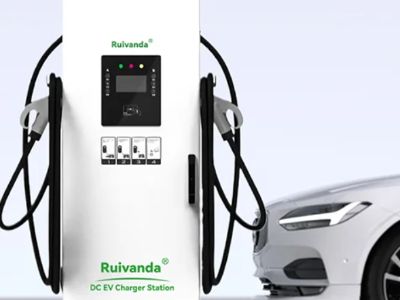
When it comes to electric vehicle (EV) chargers, businesses have two main types to choose from: AC (Alternating Current) and DC (Direct Current). Both types of chargers have their own strengths and weaknesses. Ruivanda is here to help you understand the differences and decide which one might be better for your business needs. Choosing the right charger is important, especially for companies that want to keep their electric car fleets ready to go. Let's look closely at AC and DC chargers
What Are the Key Differences Between AC and DC EV Chargers for Wholesale Buyers
AC chargers are often used in homes and public charging stations. They are usually slower but can be more affordable. They are good for places where cars park for a longer time, like at work or shopping centers. On the other hand, DC EV Chargers are much faster. They can recharge an electric vehicle in about 30 minutes or less! This is helpful for businesses that need to get cars back on the road quickly. Now, if you are a wholesale buyer, you might want to think about your customers' needs. If they are running a fleet of delivery vehicles, they may want DC chargers to keep things moving. But if they are more focused on everyday use, AC chargers might do just fine. Ruivanda offers both types of chargers, so you can find what fits your customers best
What Are the Common Usage Issues with AC and DC EV Chargers in B2B Settings
Using AC and DC chargers can come with some challenges. For AC chargers, the biggest issue is the time it takes to charge. Many businesses may find that they need to wait a while for their cars to be ready, which can cause delays in operations. On top of that, not all buildings can handle the electrical requirements for many AC chargers. This can lead to additional costs for electrical upgrades. With DC chargers, the speed is great, but they can be more expensive to install and maintain. Some businesses may worry about the upfront cost, even if it saves time in the long run. Additionally, not all vehicles are compatible with dc charging, so that can create issues too. Ruivanda understands these problems and offers solutions that help businesses make the best choice for their charging needs. Whether you choose AC or DC, knowing the pros and cons can help you make a smart decision
What Are the Benefits of AC vs. DC EV Chargers for Wholesale Distribution
When we talk about electric vehicle (EV) chargers, there are two main types: AC and DC. Each type has its own advantages, especially for businesses that sell them. AC chargers are often cheaper and easier to install. They can be found in homes and businesses. This makes them a good choice for many people who drive electric cars. For wholesale distribution, AC chargers are great because they are popular and can be sold in large numbers. They work well for charging cars slowly, which is fine if you leave the car plugged in for a few hours or overnight. On the other hand, DC chargers are much faster. They can charge an electric car in a shorter time, sometimes in just 30 minutes. This is perfect for places like gas stations or shopping centers where drivers want to charge their cars quickly while they shop or eat. For businesses that focus on speed, DC chargers can attract more customers who need to charge on the go. However, DC chargers are more expensive and require special equipment to install. This can be a challenge for some wholesale distributors. Ruivanda offers both types of chargers, which means businesses can choose what works best for them. If a business wants to sell both types, they can appeal to different customers. Some might want an AC charger for home use, while others might need a dc ev chargers for quick stops. This variety can help businesses reach more customers and increase their sales
How Can Businesses Maximize Profitability with Wholesale EV Charger Options
To make the most money from selling EV chargers, businesses need to think smart. First, they should know their customers. Are they selling to people who want to charge at home or businesses that need fast chargers? Understanding this helps them choose the right types of chargers to sell. Ruivanda's wide range of chargers allows businesses to pick the ones that fit their customers' needs best. Businesses can also bundle chargers with other products. For example, if a company sells electric cars, they could offer a charger at a discount when someone buys a car. This can make customers more likely to buy both. It creates a win-win situation where customers get a good deal, and businesses make more money. Additionally, offering installation services can also be a great way to earn extra income. If a company sells a charger but also helps set it up, they can charge for that service too. Another way to increase profits is by keeping an eye on market trends. For instance, if more customers are asking for fast charging, businesses should stock up on DC chargers. By staying ahead of the trends, they can make sure they always have what customers want. Ruivanda helps businesses stay updated on the latest market demands, allowing them to adjust their stock accordingly
What Trends Are Driving the Demand for AC and DC EV Chargers in the Wholesale Market
The demand for EV chargers is growing, and many trends are driving this change. One big trend is that more people are buying electric cars. As more electric cars hit the roads, the need for chargers increases. People want to charge their cars at home, work, or on the go. This means businesses can sell more chargers. Customers are looking for convenience, and that’s where both AC and DC chargers come in. AC chargers are great for home charging, while DC chargers are perfect for quick stops. Another trend is government support for electric vehicles. Many governments are offering incentives to encourage people to buy electric cars. This includes tax breaks and subsidies for charging stations. When businesses see that the government supports electric vehicles, they are more likely to invest in selling chargers. Ruivanda can help businesses navigate these incentives, making it easier for them to get involved in the market. Environmental awareness is also a big factor. People are becoming more conscious of climate change and want to reduce their carbon footprints. Electric vehicles are seen as a cleaner option compared to gas cars. As more people care about the environment, the demand for electric cars and their chargers increases. Businesses that recognize these trends can take action. They can stock up on the types of chargers that are in demand and offer special promotions to attract customers. Ruivanda provides the tools and information needed to help businesses succeed in this growing market. By understanding these trends, businesses can position themselves to take advantage of the increasing demand for both AC and DC chargers.
Table of Contents
- What Are the Key Differences Between AC and DC EV Chargers for Wholesale Buyers
- What Are the Common Usage Issues with AC and DC EV Chargers in B2B Settings
- What Are the Benefits of AC vs. DC EV Chargers for Wholesale Distribution
- How Can Businesses Maximize Profitability with Wholesale EV Charger Options
- What Trends Are Driving the Demand for AC and DC EV Chargers in the Wholesale Market